Texts in This Category
Gospel of Thomas
The Sayings Gospel
114 sayings of 'the living Jesus' without narrative—emphasizing self-knowledge, the kingdom within, and mystical interpretation—discovered at Nag Hammadi, possibly early 2nd century
Gospel of Thomas — Full Summary & Context →Gospel of Mary
Mary Magdalene's Gospel
Mary Magdalene receives secret visions from risen Jesus, Peter disputes her authority as a woman, Levi defends her saying 'the Savior loved her more than us'
Gospel of Mary — Full Summary & Context →Gospel of Philip
Sacramental Theology
Gnostic-Christian sacramental theology emphasizing spiritual marriage, bridal chamber mysteries, and Jesus kissing Mary Magdalene 'often on the mouth' as his companion
Gospel of Philip — Full Summary & Context →Apocryphon of John
Secret Book of John
Risen Jesus reveals to John an elaborate gnostic cosmology—divine Sophia's fall, the evil demiurge Yaldabaoth creating matter, and humanity's imprisonment requiring gnosis for escape
Apocryphon of John — Full Summary & Context →Gospel of Truth
Valentinian Meditation
Valentinian gnostic meditation on Jesus bringing knowledge (gnosis) to dispel ignorance, error, and the nightmare of material existence—possibly by Valentinus himself
Gospel of Truth — Full Summary & Context →Pistis Sophia
Faith-Wisdom
Risen Jesus teaches disciples for 22 years revealing elaborate aeon cosmology, Sophia's fall and restoration, soul's journey through archons, with Mary Magdalene as primary questioner
Pistis Sophia — Full Summary & Context →Apocryphon of James
Secret Book of James
Post-resurrection dialogue where Jesus privately instructs James and Peter in esoteric teachings on martyrdom, prophecy, and the kingdom—discovered at Nag Hammadi
Apocryphon of James — Full Summary & Context →Book of Thomas the Contender
Secret Words of the Savior
Risen Jesus instructs his twin Thomas on rejecting bodily passions before his ascension—those enslaved to desire will burn, those who overcome will find rest
Book of Thomas the Contender — Full Summary & Context →Books of Jeu
Coptic Gnostic Ritual Texts
Two Coptic ritual books attributed to Jesus revealing the structure of divine realms, passwords and seals needed to pass through heavenly archons, and secret baptismal rites
Books of Jeu — Full Summary & Context →Dialogue of the Savior
Nag Hammadi Revelation
Fragmentary dialogue between Jesus, Matthew, Judas, and Mary Magdalene on prayer, the soul's ascent, the end of this age, and escaping the powers of darkness
Dialogue of the Savior — Full Summary & Context →Exegesis on the Soul
Allegory of the Fallen Soul
Allegorical narrative of the soul as a woman who falls from her Father's house into prostitution, is rescued through repentance, and reunited with her true heavenly bridegroom
Exegesis on the Soul — Full Summary & Context →Gospel of Bartholomew
Questions of Bartholomew
Bartholomew questions the risen Jesus about the harrowing of hell, Mary's conception, and Satan—Beliar is summoned, bound, and reveals the number of souls lost each day
Gospel of Bartholomew — Full Summary & Context →Gospel of the Egyptians
Holy Book of the Great Invisible Spirit
Sethian Gnostic creation myth tracing the divine Seth's three descents into the world, the origins of baptism, and the salvation of the holy seed from the powers of chaos
Gospel of the Egyptians — Full Summary & Context →Hypostasis of the Archons
Reality of the Rulers
Gnostic retelling of Genesis revealing the archons' failed attempt to create and control humanity, Norea's defiance of the rulers, and an angel's explanation of the true cosmos
Hypostasis of the Archons — Full Summary & Context →On the Origin of the World
Gnostic Cosmogony
Encyclopedic Gnostic account of creation from primordial chaos through the demiurge's ignorance, the Edenic drama, and the final conflagration that will restore the divine order
On the Origin of the World — Full Summary & Context →Sophia of Jesus Christ
Wisdom of Jesus Christ
Risen Jesus answers twelve disciples' and seven women's questions about the nature of the universe, the Immortal Man, and how souls can return to the divine realm
Sophia of Jesus Christ — Full Summary & Context →Thunder, Perfect Mind
The Divine Feminine Voice
Enigmatic Nag Hammadi poem spoken by a divine feminine voice delivering paradoxical self-declarations—'I am the whore and the holy one'—one of antiquity's most arresting texts
Thunder, Perfect Mind — Full Summary & Context →Tripartite Tractate
Valentinian Theology
Longest and most systematic Valentinian Gnostic treatise—the Father, Son, and Church; Logos's fall and repentance; three classes of humanity; and the final restoration of all things
Tripartite Tractate — Full Summary & Context →Hymn of the Pearl
Song of the Soul
Allegorical poem embedded in Acts of Thomas—a prince sent to Egypt to retrieve a pearl forgets his mission, is awakened by a letter from home, and returns triumphant to his Father's kingdom
Hymn of the Pearl — Full Summary & Context →📖 Read FREE on Kindle Unlimited
All editions below are included with your KU subscription at no extra cost.
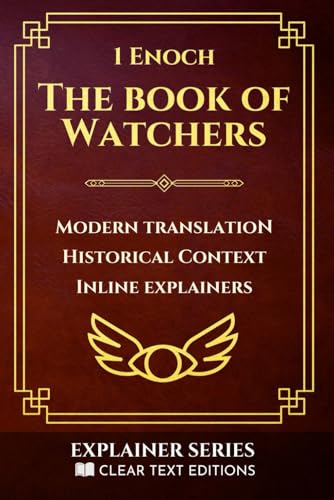
1 Enoch: The Book of Watchers: A Modern English Translation with Historical Context and Inline Explainers
A Modern English Translation with Historical Context and Inline Explainers
Read FREE on Kindle Unlimited →
Advent with Aquinas: Twenty-Five Days with the Church's Clearest Thinker, in Plain Modern English - Large Print
Read FREE on Kindle Unlimited →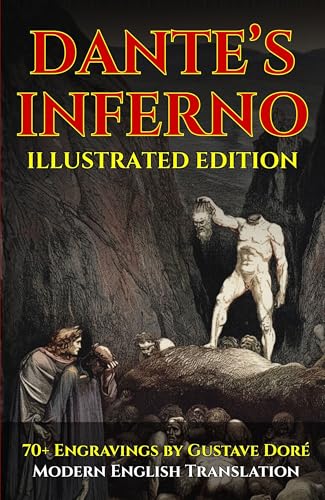
Dante’s Inferno — Fully Illustrated Edition: Modern English Translation with 70+ Gustave Doré Engravings and Historical Commentary
Modern English Translation with 70+ Gustave Doré Engravings
Read FREE on Kindle Unlimited →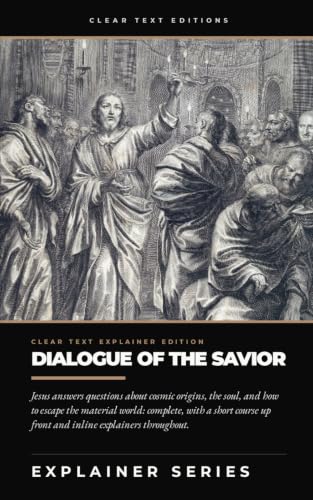
Dialogue of the Savior: The Complete Text in Modern English, with a Short Course and Inline Explainers
Read FREE on Kindle Unlimited →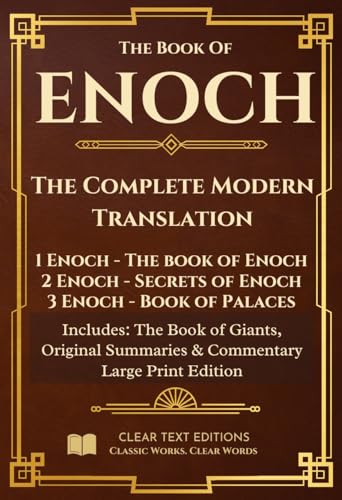
Enoch: The Complete Modern Translation: 1 Enoch, 2 Enoch, 3 Enoch, Book of Giants: Large Print, Biblical/Historical Commentary and Summaries
1 Enoch, 2 Enoch, 3 Enoch, Book of Giants
Read FREE on Kindle Unlimited →