Texts in This Category
Gospel of Peter
Passion Fragment
Fragment depicting trial, crucifixion where Jesus 'felt no pain,' and resurrection witnessed by guards—Jesus exits tomb head-high to heaven, followed by talking cross—condemned as docetic
Gospel of Peter — Full Summary & Context →Gospel of Nicodemus
Acts of Pilate
Expanded trial before Pilate with miraculous testimony, resurrection accounts, and 'Harrowing of Hell' where risen Christ descends to Hades, breaks gates, liberates Adam and prophets
Gospel of Nicodemus — Full Summary & Context →Letter of Pilate to Claudius
Epistle of Pilate
Alleged report from Pilate to Emperor Claudius describing Jesus' crucifixion, miracles, and resurrection—attempts to exonerate Pilate and validate Christianity to Roman authorities
Letter of Pilate to Claudius — Full Summary & Context →Avenging of the Savior
Vindicta Salvatoris
Medieval legend of Titus and Vespasian's destruction of Jerusalem as divine vengeance for Christ's crucifixion—Pilate tried, exiled, and ultimately suicides in disgrace
Avenging of the Savior — Full Summary & Context →Death of Pilate
Mors Pilati
Medieval legend of Pilate's trial before Tiberius, his exile to Vienne, suicide to avoid execution, and his cursed corpse rejected by every body of water until sunk in an Alpine lake
Death of Pilate — Full Summary & Context →Gospel of Gamaliel
Coptic Passion Narrative
Coptic passion narrative told from Gamaliel's perspective, elaborating the trial, crucifixion, and resurrection with distinctive Egyptian Christian traditions and lamentation poetry
Gospel of Gamaliel — Full Summary & Context →Report of Pilate
Anaphora Pilati
Pilate's alleged official report to Emperor Tiberius describing Jesus' miracles, trial, crucifixion, and resurrection—Tiberius proposes Jesus' deification, Senate refuses
Report of Pilate — Full Summary & Context →Passion of Perpetua and Felicity
Earliest Female Martyr Diary
Carthaginian noblewoman Perpetua's prison diary (203 CE) recording her visions, her slave Felicity giving birth in prison, and their arena martyrdom—earliest text likely written by a woman
Passion of Perpetua and Felicity — Full Summary & Context →📖 Read FREE on Kindle Unlimited
All editions below are included with your KU subscription at no extra cost.
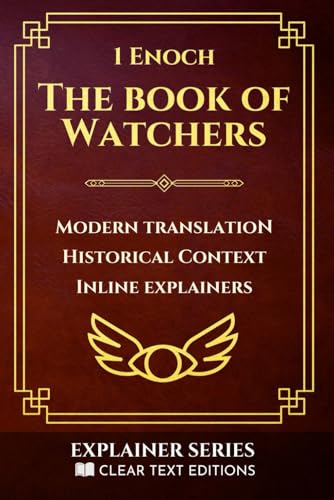
1 Enoch: The Book of Watchers: A Modern English Translation with Historical Context and Inline Explainers
A Modern English Translation with Historical Context and Inline Explainers
Read FREE on Kindle Unlimited →
Advent with Aquinas: Twenty-Five Days with the Church's Clearest Thinker, in Plain Modern English - Large Print
Read FREE on Kindle Unlimited →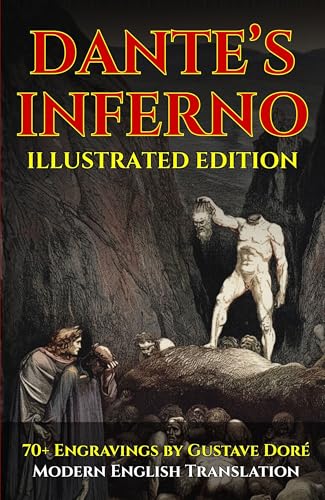
Dante’s Inferno — Fully Illustrated Edition: Modern English Translation with 70+ Gustave Doré Engravings and Historical Commentary
Modern English Translation with 70+ Gustave Doré Engravings
Read FREE on Kindle Unlimited →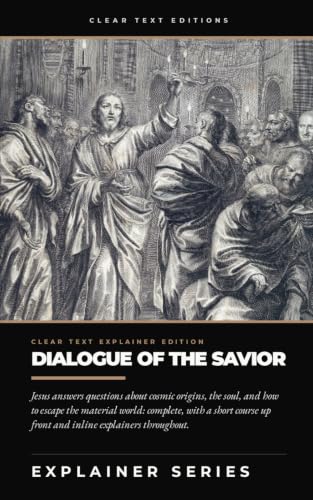
Dialogue of the Savior: The Complete Text in Modern English, with a Short Course and Inline Explainers
Read FREE on Kindle Unlimited →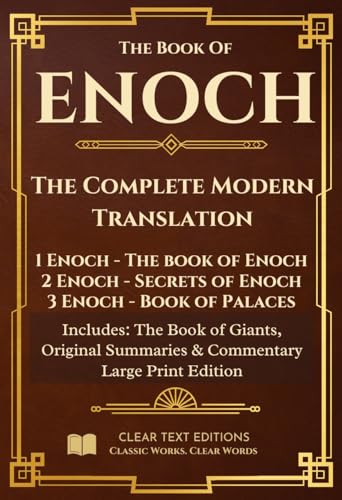
Enoch: The Complete Modern Translation: 1 Enoch, 2 Enoch, 3 Enoch, Book of Giants: Large Print, Biblical/Historical Commentary and Summaries
1 Enoch, 2 Enoch, 3 Enoch, Book of Giants
Read FREE on Kindle Unlimited →