Texts in This Category
1 Enoch
The Ethiopian Book of Enoch
Enoch's heavenly journeys, visions of fallen angels (Watchers), their giant offspring (Nephilim), and the coming judgment—canonical scripture in Ethiopian Orthodox tradition
1 Enoch — Full Summary & Context →Book of Jubilees
Little Genesis
Retelling of Genesis and Exodus with expanded angelic activity, 364-day solar calendar, and justification for Jewish law—part of Ethiopian biblical canon
Book of Jubilees — Full Summary & Context →Book of Tobit
The Righteous Man's Trial
Righteous Tobit, struck blind despite his good works, sends his son Tobias on a journey where the angel Raphael heals both father and kinsman Sarah, who lost seven husbands to a demon
Book of Tobit — Full Summary & Context →Book of Judith
The Widow Who Saved Israel
Beautiful widow Judith seduces and beheads the Assyrian general Holofernes, saving her besieged city through cunning, courage, and faith in God's deliverance
Book of Judith — Full Summary & Context →Wisdom of Solomon
Sophia's Philosophy
Poetic meditation on divine wisdom (Sophia), righteousness, immortality, and God's justice, blending Jewish theology with Greek philosophical concepts
Wisdom of Solomon — Full Summary & Context →Sirach
Ecclesiasticus / Wisdom of Jesus ben Sirach
Comprehensive guide to wise living covering ethics, family, friendship, business, worship, and social conduct from a learned Jewish sage
Sirach — Full Summary & Context →1 Esdras
Greek Ezra
Alternative version of Ezra-Nehemiah with unique material including the famous 'Debate of the Three Youths' about what is strongest: wine, kings, women, or truth
1 Esdras — Full Summary & Context →Prayer of Manasseh
King Manasseh's Repentance
The penitential prayer of Judah's most wicked king during his Babylonian captivity, expressing profound repentance for idolatry and evil deeds
Prayer of Manasseh — Full Summary & Context →1 Meqabyan
First Book of Ethiopian Maccabees
Three faithful brothers refuse to worship King Tseerutsaydan's idols, are martyred, then miraculously resurrected—teaching faithfulness to God through trials of persecution (36 chapters)
1 Meqabyan — Full Summary & Context →2 Meqabyan
Second Book of Ethiopian Maccabees
King Meqabis of Moab wages war against Israel as divine punishment, then repents and becomes a righteous teacher of God's law (21 chapters)
2 Meqabyan — Full Summary & Context →3 Meqabyan
Third Book of Ethiopian Maccabees
Short ethical treatise on salvation, punishment, and maintaining faith illustrated through biblical patriarchs (Adam, Job, David), emphasizing the Devil's temptation (10 chapters)
3 Meqabyan — Full Summary & Context →3 Maccabees
Jewish Persecution in Egypt
Egyptian Jews face persecution under Ptolemy IV, with miraculous deliverance when elephants intended to trample them turn on their captors instead
3 Maccabees — Full Summary & Context →4 Ezra
2 Esdras (Latin)
Ezra's seven apocalyptic visions after Jerusalem's destruction, wrestling with theodicy, divine justice, and the fate of Israel through symbolic imagery
4 Ezra — Full Summary & Context →4 Baruch
Paraleipomena Jeremiou / Rest of the Words of Baruch
Baruch and Jeremiah witness Jerusalem's fall, experience miraculous preservation during Babylonian exile, and witness the city's restoration after 66 years
4 Baruch — Full Summary & Context →Josippon
Book of Josephas the Son of Ben Gorion
Medieval Hebrew chronicle of Jewish history from Creation through the destruction of the Second Temple, based partly on Josephus but with legendary embellishments
Josippon — Full Summary & Context →Psalm 151
David and Goliath
Additional psalm describing David's youth as a shepherd, his anointing by Samuel, and his victory over Goliath—found in Greek and Syriac Bibles
Psalm 151 — Full Summary & Context →1 Maccabees
The Maccabean Revolt
Historical account of the Jewish revolt against Seleucid oppression (175-134 BCE), Mattathias and his sons reclaiming the Temple—the origin of Hanukkah
1 Maccabees — Full Summary & Context →2 Maccabees
Martyrdom and Resurrection
Theological retelling of the Maccabean revolt emphasizing martyrdom, resurrection of the dead, and prayers for the departed—key text for Catholic purgatory doctrine
2 Maccabees — Full Summary & Context →Baruch
Letter from Babylon
Letter attributed to Jeremiah's scribe from Babylonian exile—confession of sin, hymn to Wisdom, and poem of consolation promising Israel's restoration
Baruch — Full Summary & Context →Letter of Jeremiah
Against Idolatry
Jeremiah's satirical warning to exiles against Babylonian idol worship, exposing the absurdity of gods that cannot speak, move, or save—refrain repeated: 'they are not gods'
Letter of Jeremiah — Full Summary & Context →2 Esdras
Apocalypse of Ezra
composite apocalypse—Jewish core (4 Ezra) wrestling with theodicy after 70 CE destruction, framed by Christian additions (5 and 6 Ezra), preserved only in Latin
2 Esdras — Full Summary & Context →📖 Read FREE on Kindle Unlimited
All editions below are included with your KU subscription at no extra cost.
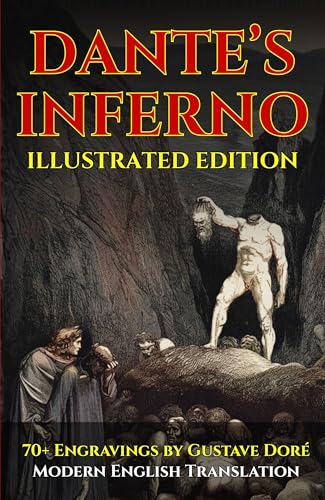
Dante's Inferno , Fully Illustrated Edition
Modern English Translation with 70+ Gustave Doré Engravings
Read FREE on Kindle Unlimited →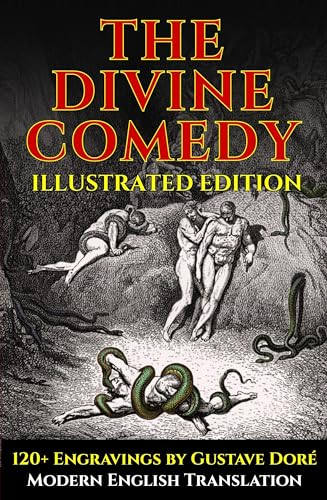
The Divine Comedy – Fully Illustrated Edition
Inferno, Purgatorio, and Paradiso with 120+ Gustave Doré Illustrations
Read FREE on Kindle Unlimited →
1 Enoch: The Book of Watchers
A Modern English Translation with Historical Context and Inline Explainers
Read FREE on Kindle Unlimited →
The Didache: The Teaching of the Twelve Apostles
Modern English Translation with Historical Commentary & Contextual Notes
Read FREE on Kindle Unlimited →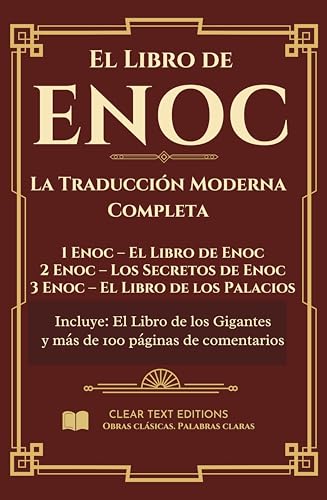
El Libro de Enoc: La Traducción Moderna Completa
1 Enoc, 2 Enoc, 3 Enoc, Libro de los Gigantes
Read FREE on Kindle Unlimited →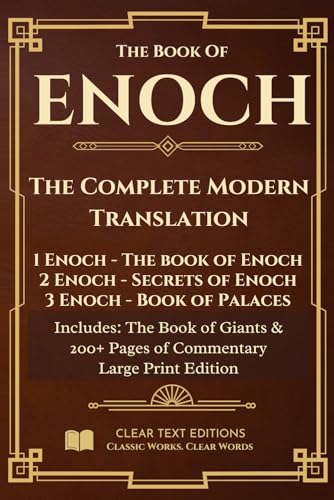
Enoch: The Complete Modern Translation
1 Enoch, 2 Enoch, 3 Enoch, Book of Giants
Read FREE on Kindle Unlimited →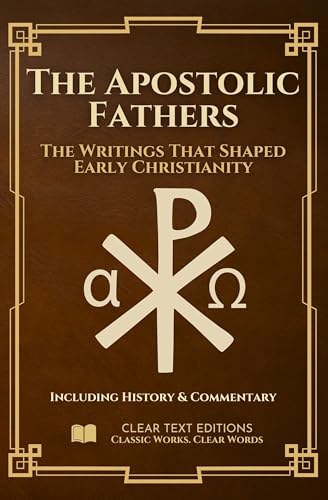
The Apostolic Fathers
Clement, Ignatius, Polycarp, Didache, Barnabas, Hermas, and More
Read FREE on Kindle Unlimited →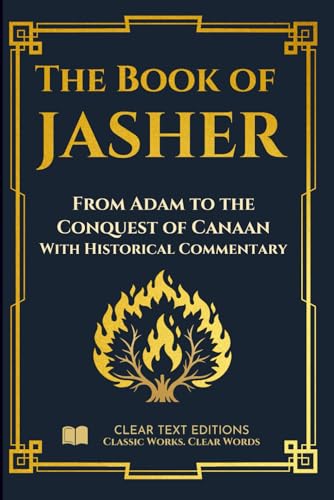
The Book of Jasher - The Upright Record
From Creation to the Conquest of Canaan with Essays and Commentary
Read FREE on Kindle Unlimited →
The Book of Jubilees - Large Print Edition
Modern English Translation with Essays, Commentary, and Political-Historical Analysis
Read FREE on Kindle Unlimited →
The First and Second Books of Adam and Eve
The conflict With Satan, includes the Apocalypse of Moses
Read FREE on Kindle Unlimited →
The Gnostic Gospels
Including: Thomas, Mary, Philip, Judas, and the Nag Hammadi Library
Read FREE on Kindle Unlimited →
The Gospel of Nicodemus - Acts of Pilate
Trial of Jesus and the Harrowing of Hell with Essays and Commentary
Read FREE on Kindle Unlimited →
The Infancy Gospels
Protoevangelium of James, Gospel of Thomas, Pseudo-Matthew, and More
Read FREE on Kindle Unlimited →
The Lost Books of the Bible: The Complete Guide with Summaries
Everything You Want to Know About Forbidden Christian Texts in Plain English
Read FREE on Kindle Unlimited →
The Lost Gospels of Jesus
Childhood Stories, Trial Records, Resurrection Visions, and Secret Sayings
Read FREE on Kindle Unlimited →
The Testament of the Twelve Patriarchs
Deathbed Testaments of Jacob's Sons with Complete Modern Translation
Read FREE on Kindle Unlimited →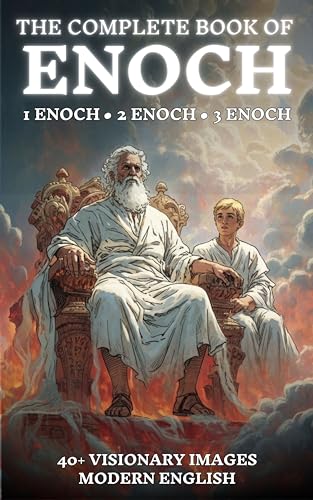
Enoch: Full Color Illustrated Edition
2 Enoch, 2 Enoch, 3 Enoch, Book of Giants
Read FREE on Kindle Unlimited →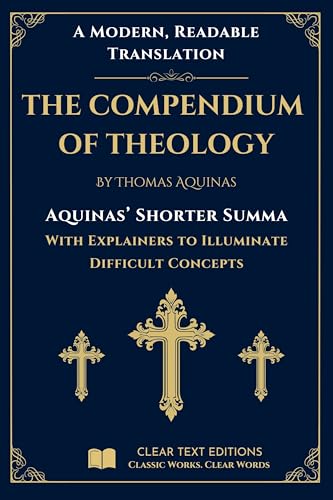
The Shorter Summa
The Compendium of Theology by Thomas Aquinas
Read FREE on Kindle Unlimited →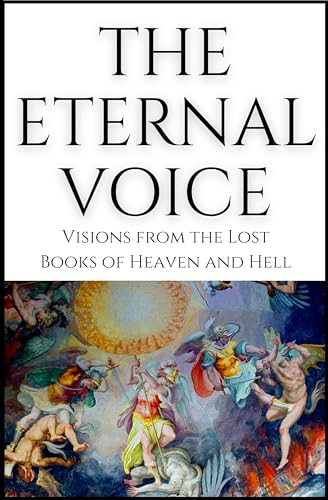
The Eternal Voice
Ten Afterlife Visions from the Lost Books of the Bible
Read FREE on Kindle Unlimited →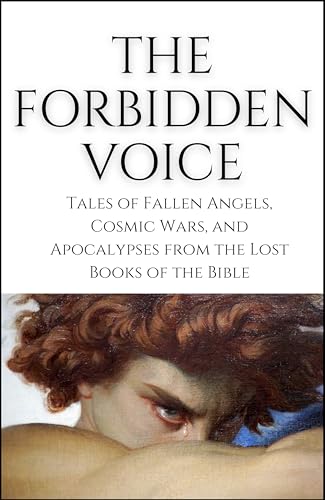
The Forbidden Voice
Tales of Fallen Angels, Cosmic Wars, and Apocalypses
Read FREE on Kindle Unlimited →
The Gnostic Voice
Tales of Wisdom from the Secret Gospels and Hidden Texts
Read FREE on Kindle Unlimited →
The Lost Voice
Tales of Adam & Eve, Enoch, Mary Magdalene, and Other Lost Books
Read FREE on Kindle Unlimited →
The Silent Voice
Ten Mystical Tales from the Lost Books of the Bible
Read FREE on Kindle Unlimited →
The Voice Series: Canon and Apocrypha Reimagined
Complete Six-Book Box Set
Read FREE on Kindle Unlimited →
The Voice: A Narrative Bible
The Story of Scripture Retold in Modern, Dramatic Prose
Read FREE on Kindle Unlimited →